

Liquidity pools are the engine that powers decentralized exchanges. This guide explains what they are, how they work, and how you can earn by providing liquidity.
What is a Liquidity Pool?
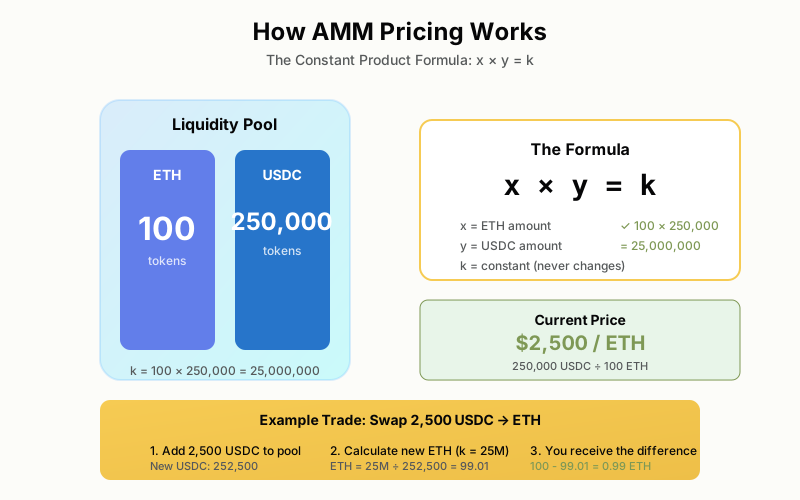
A liquidity pool is a collection of tokens locked in a smart contract. These tokens provide the liquidity that enables trading on DEXs. When you swap ETH for USDC, you’re trading against a pool, not another person.
How Liquidity Providers Earn
- Trading Fees: A percentage of every swap goes to LPs
- Token Rewards: Many protocols reward LPs with governance tokens
- Yield Farming: Stake LP tokens for additional rewards
Key Takeaways
- Liquidity pools are pairs of tokens locked in smart contracts
- LPs earn fees from every trade
- Impermanent loss is the main risk for LPs
- Higher fees often mean higher risk