

Every time you make a transaction on Ethereum or other blockchains, you pay a gas fee. Understanding gas is essential for DeFi—it affects when you trade, which network you use, and how much profit you keep. Let’s break it down.
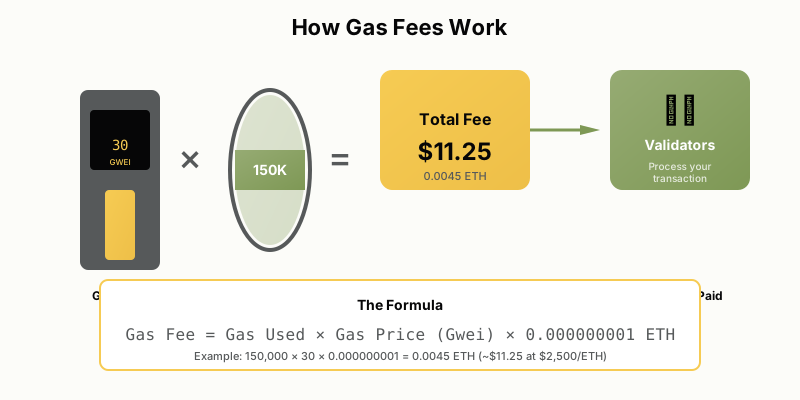
What is Gas?
Gas is the unit that measures the computational effort required to execute operations on the blockchain. Think of it like fuel for your car:
- Gas = The fuel needed for your transaction
- Gas Price = How much you pay per unit of gas
- Gas Limit = Maximum gas you’re willing to use
- Gas Fee = Gas Used x Gas Price
Why Do Gas Fees Exist?
Gas fees serve three crucial purposes:
1. Compensate Validators
Validators process and verify transactions. Gas fees pay them for their computational work and hardware costs.
2. Prevent Spam
Without fees, attackers could flood the network with millions of transactions for free, grinding it to a halt.
3. Prioritize Transactions
When the network is busy, users who pay higher gas prices get their transactions processed first.
How to Save on Gas Fees
1. Time Your Transactions
Gas is typically cheapest on weekends and during off-peak hours (late night/early morning in US/Europe timezones).
2. Use Layer 2 Networks
| Network | Typical Swap Cost | Speed |
|---|---|---|
| Ethereum Mainnet | $5 – $50+ | 15 seconds |
| Arbitrum | $0.10 – $0.50 | ~2 seconds |
| Optimism | $0.10 – $0.50 | ~2 seconds |
| Polygon | $0.01 – $0.05 | 2 seconds |
| Base | $0.05 – $0.20 | ~2 seconds |
Key Takeaways
- Gas fees pay validators and prevent network spam
- Fees vary based on network congestion and transaction complexity
- Use Layer 2 networks (Arbitrum, Polygon) to save 90%+ on fees
- Time your transactions for weekends and off-peak hours
- Failed transactions still cost gas—double-check before confirming