
Stablecoins are cryptocurrencies designed to maintain a stable value, typically pegged to $1 USD. They’re the backbone of DeFi—used for trading, lending, borrowing, and earning yield without the volatility of Bitcoin or Ethereum.
Why Stablecoins Matter in DeFi
- Stable Store of Value: Hold crypto without volatility
- Trading Pairs: Most DEX pairs are against stablecoins (ETH/USDC, etc.)
- Yield Farming: Earn 3-10%+ APY on stablecoins
- Global Payments: Send dollars anywhere, instantly
- Collateral: Borrow against stablecoins without volatility risk
Types of Stablecoins
1. Fiat-Backed (Centralized)
Backed 1:1 by US dollars held in bank accounts. For every token in circulation, there’s $1 in a bank.
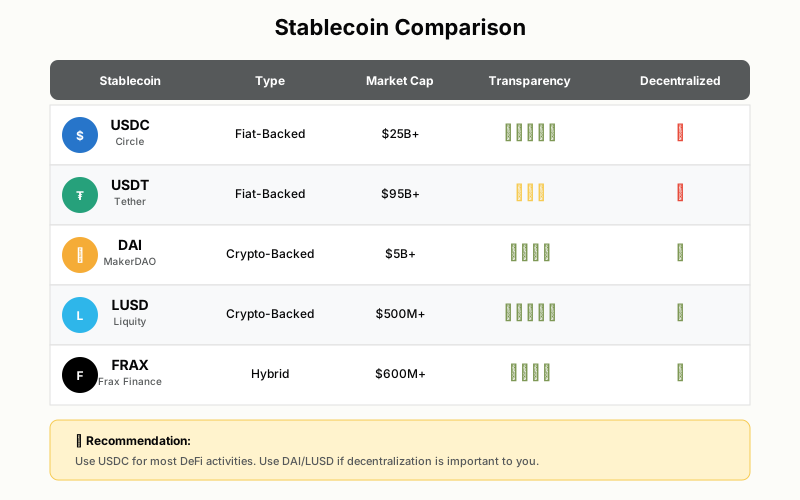
- USDC – Most trusted, audited monthly by Circle
- USDT (Tether) – Largest market cap but controversial reserves
- PYUSD – PayPal’s regulated stablecoin
2. Crypto-Backed (Decentralized)
Backed by cryptocurrency collateral locked in smart contracts. Over-collateralized to handle price swings.
- DAI – Backed by ETH, USDC, others. 150%+ collateral ratio
- LUSD – Backed by ETH only. 110%+ collateral ratio
Stablecoin Comparison
Risks of Stablecoins
Depeg Risk
Stablecoins can temporarily (or permanently) lose their $1 peg. USDC briefly dropped to $0.87 in March 2023 but recovered. Terra’s UST collapsed to near zero and did NOT recover.
Regulatory Risk
Centralized stablecoins can be frozen or blacklisted. Circle has frozen addresses on government requests.
Which Stablecoin Should You Use?
- General DeFi: USDC – Most trusted, widely accepted
- Maximum Decentralization: DAI or LUSD – No central issuer
- High Liquidity Trading: USDT or USDC – Best liquidity
- Long-term Holding: USDC – Strongest transparency
Key Takeaways
- Stablecoins are crypto tokens pegged to $1 USD
- USDC is the most trusted fiat-backed stablecoin
- DAI is the leading decentralized alternative
- Avoid purely algorithmic stablecoins—high collapse risk
- Stablecoins can depeg temporarily—diversify holdings
- You can earn 2-10% APY on stablecoins in DeFi